

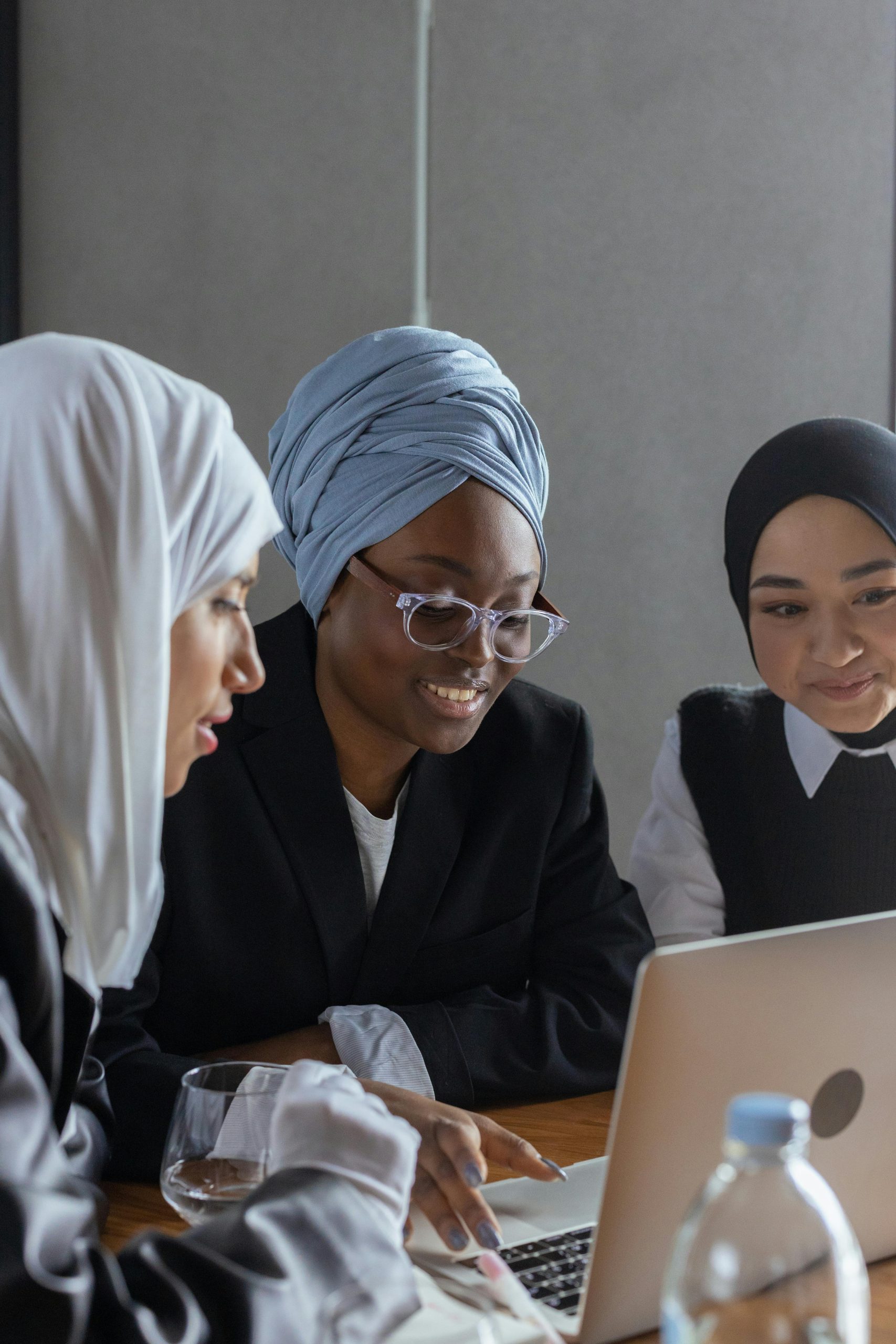
To withstand the global shifts in education, educators must consider how to adapt and help students grow academically and as individuals ready to navigate a complex, interconnected world. Growth, however, often means stepping outside comfort zones. The cost can feel high. But when classrooms become safe spaces for challenge and exploration, students are far more likely to embrace discomfort as a catalyst for learning. In that light, educators’ most powerful tool isn’t a new app, framework, or curriculum. It’s community.
Why Community Fuels Growth
The principles behind Carol Dweck’s Growth Mindset emphasize learning through effort and mistakes. Yet, in many classrooms, mistakes are still quietly stigmatized. Students hesitate to participate for fear of being wrong. Educators, often unknowingly, may contribute to an atmosphere where perfection is the expectation. But what if mistakes were reframed as growth markers—essential checkpoints on the path to mastery?
What if classrooms were designed to normalize failure as part of the learning process?
Moving from Perfection to Participation
Building a classroom community starts with a mindset shift—from seeing education as a performance to seeing it as a process where everyone, including the educator, learns from one another. Here are some practical ways to cultivate a classroom community:
- Model Vulnerability and Growth: When educators openly acknowledge their learning curves, they invite students to do the same. Modeling the mindset of “mistakes as moments of learning” sends a clear message: we grow by doing, not by getting everything right the first time.
- Design Student-Centered Experiences: Lecture-heavy classrooms often limit student voice and risk-taking. Peer discussions, games, flipped lessons, and group projects promote collaboration, engagement, and trust. When students trust each other, they contribute more freely.
- Foster Peer Learning: In every classroom, students are each other’s greatest untapped resource. A strong community allows them to see their peers not as competition but as collaborators. In turn, peer learning deepens understanding and helps students appreciate multiple perspectives.
- Personalized Feedback: A responsive classroom recognizes that no two students learn the same way. Informal tools—like discussions, check-ins, or games—offer real-time insight into student thinking. Meanwhile, personalized feedback on formal assessments reinforces that learning is a journey. Discussing common challenges as an entire class can transform assessments from private judgment to public growth.
When classrooms prioritize community, students don’t just absorb information—they learn how to navigate complexity, collaborate across differences, and bounce back from setbacks. Community doesn’t eliminate discomfort, but it makes growth possible within it, and that’s exactly what education should do.